A diverse clinical workforce is a necessary component of an anti-racist health system that provides person-centered and culturally respectful care.
Established to address exclusion from higher education and healthcare access, historically Black colleges and universities (HBCUs) have been on the forefront of fostering belonging, strengthening retention, and building a strong pipeline of graduates equipped with a patient-first mindset who go on to address inequities in healthcare.
HBCUs educate nearly 70% of the nation’s Black doctors, playing a critical role in helping the healthcare workforce reflect the communities they serve.
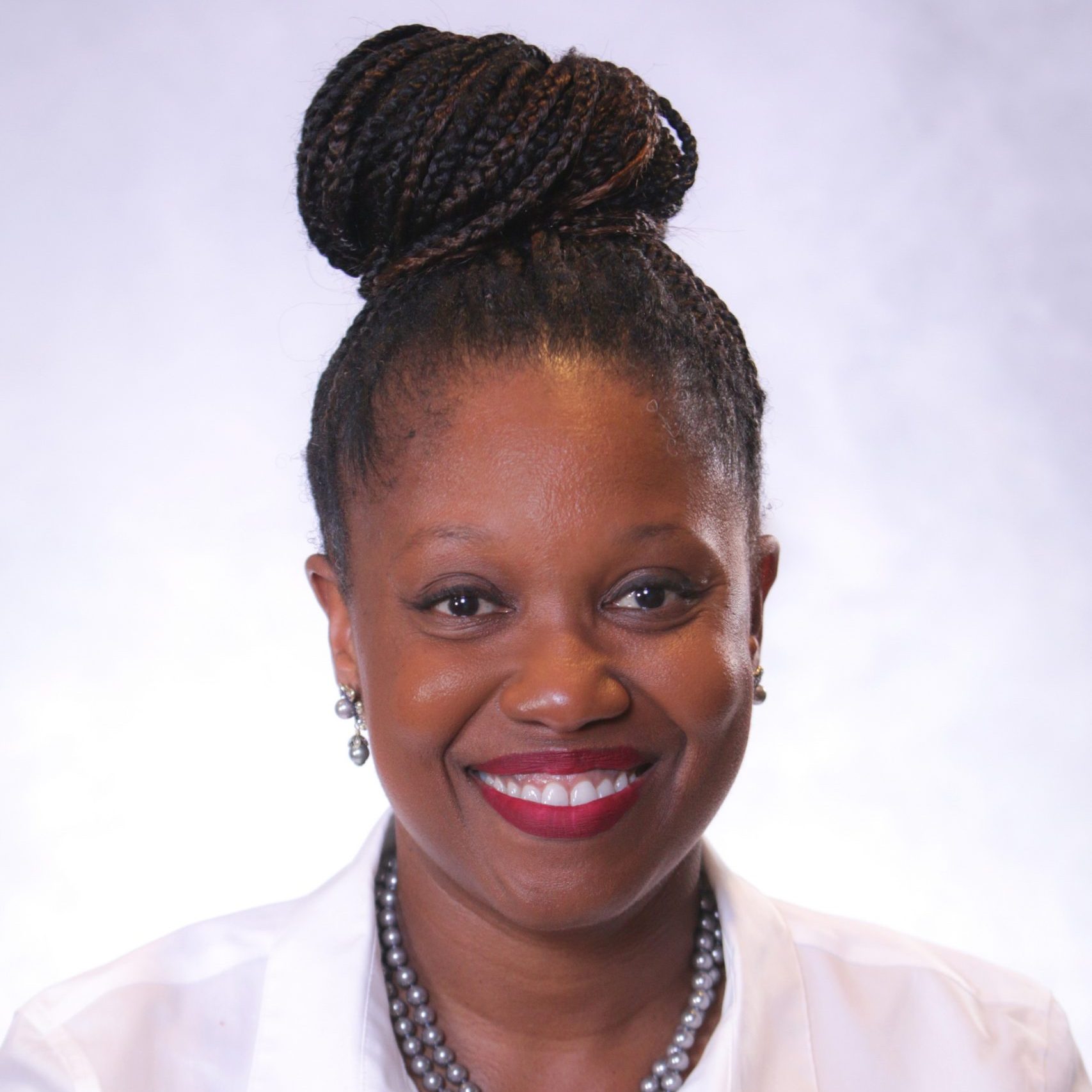
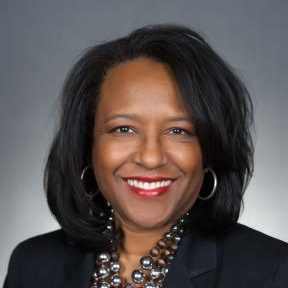
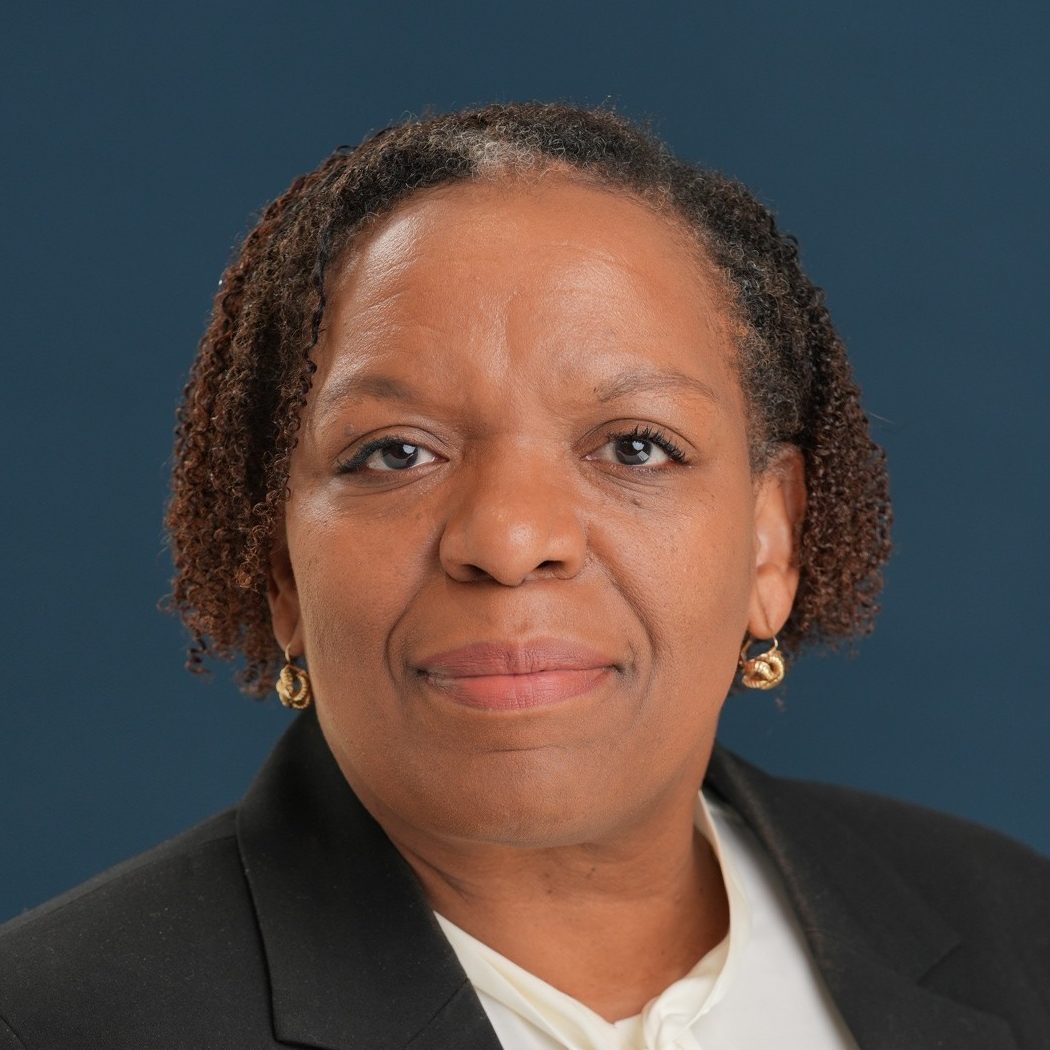
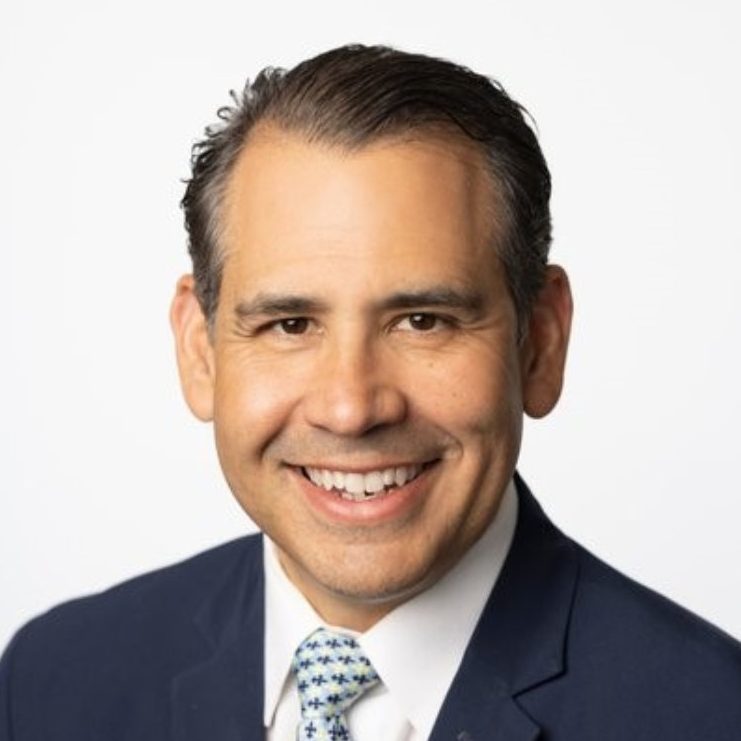
Listen to leaders from HBCU medical schools as they explore how their legacy of training physicians to deliver community-centered care shapes a stronger, more diverse healthcare workforce.
Panelists explored:
The importance of providing patient-centered care
How education and training influence the delivery of culturally relevant care
The significance of partnering with community members to co-create care models that are responsive to everyone’s needs and priorities
Convened by the Robert Wood Johnson Foundation, The Intersection brings together people who work inside and outside of healthcare to build anti-racist health systems. It’s a place where community and justice advocates, healthcare providers, and public health experts can share their experiences, provide feedback on how to tackle challenges, and talk about what’s working.